

Understanding Sensitive Digestion in Pets
Many beloved pets, like our sensitive dogs and cats, suffer from digestive issues. These conditions can manifest as diarrhea, vomiting, or simply discomfort after meals. Understanding the underlying causes of sensitive digestion is crucial for selecting the right food. Factors such as genetics, age, and even stress can contribute to digestive sensitivity.
Identifying Symptoms of Sensitive Digestion
Before choosing the right diet for your sensitive dog or cat, it’s essential to recognize the signs of digestive issues. Common symptoms include:
- Frequent gastrointestinal upset
- Gas and bloating
- Inconsistent bowel movements
- Loss of appetite
- Weight loss or gain
If you notice any of these symptoms, it may be time to consider a specialized diet tailored for your pet’s needs.
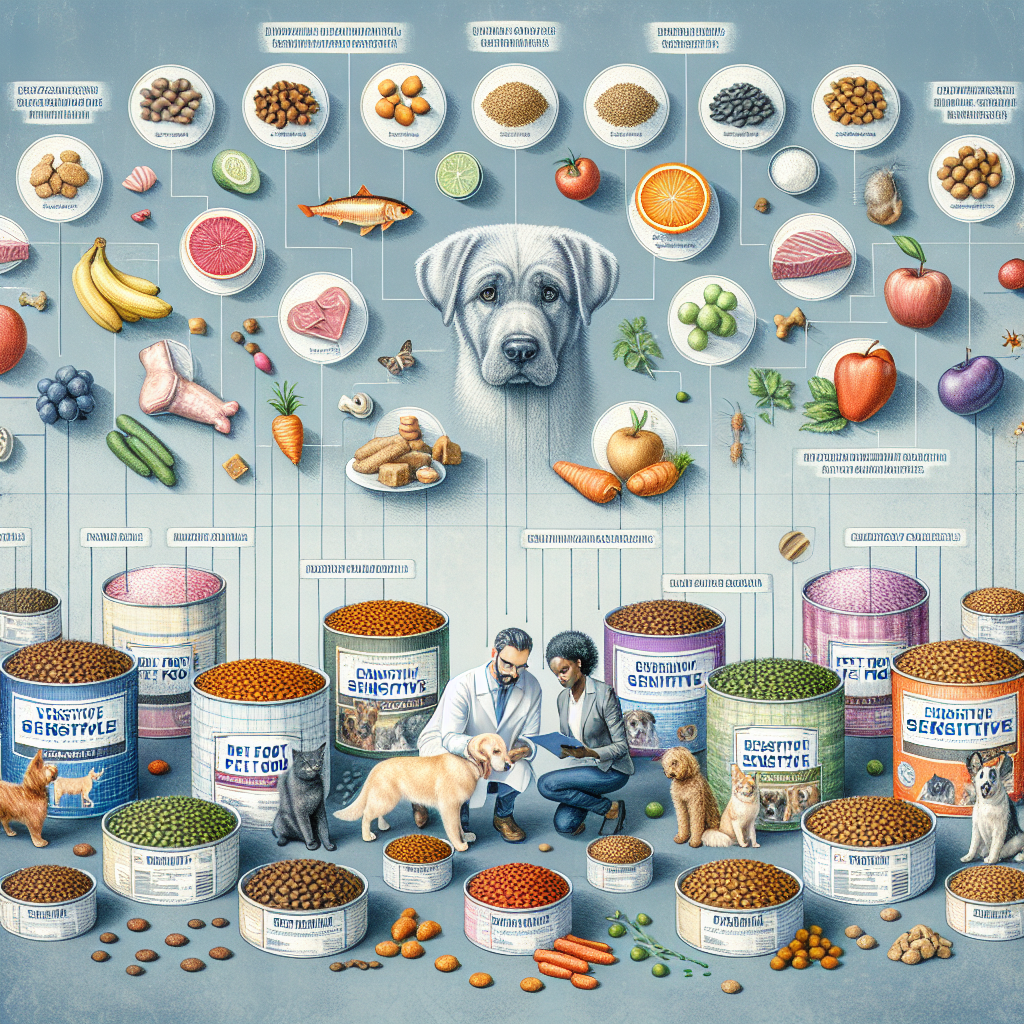
Choosing the Right Ingredients
High-Quality Protein Sources
Protein is essential for your sensitive dog or cat, but not all protein is created equal. Look for specialized formulas that include high-quality protein sources that are easy to digest. Options such as chicken, salmon, or lamb are often well-tolerated. Avoid filler ingredients like by-products and unidentified meat sources.
Limited Ingredient Diets
For pets with sensitive stomachs, limited ingredient diets can be beneficial. These diets typically contain fewer ingredients, making it easier to identify and eliminate potential allergens. For a sensitive dog or cat, consider food with a single protein source and minimal carbohydrates to test for food intolerances.
Grains and Carbohydrates

Grain-Free Options
Some sensitive cats and dogs may react negatively to grains. A grain-free diet can help alleviate gastrointestinal distress in these cases. Look for options made with alternative carbohydrate sources, such as sweet potatoes or peas, which are gentler on the stomach.
Fiber Content
Fiber plays an important role in digestion. When selecting food for a sensitive dog or cat, look for options rich in soluble fiber. Ingredients like pumpkin and psyllium can support healthy digestion and regulate bowel movements for your sensitive pet.
Consulting with Your Veterinarian
Before making any changes to your pet’s diet, it’s advisable to consult with a veterinarian. They can help identify the specific needs of your sensitive dog or cat and recommend appropriate food options. Your vet may also suggest diagnostic tests to rule out underlying health issues contributing to digestive troubles.
Transitioning to New Food
Slow and Gradual Introduction
When changing your sensitive dog or cat’s diet, a slow transition is crucial. Gradually mix the new food with the old food over a week or so, slowly increasing the proportion of the new diet. This method helps avoid aggravating an already sensitive stomach.
Monitoring the Change
As you transition your sensitive pet to new food, closely monitor their reaction. Keep an eye on their bowel movements, appetite, and overall health. If symptoms worsen, it may be necessary to revert to their previous food or consider a different option.
Specialized Diets for Sensitive Stomachs
Prescription Diets
In some cases, your veterinarian may recommend a prescription diet designed for sensitive digestion. These products are formulated with easily digestible ingredients and balanced nutrition to support your pet’s health. Often, these diets are tested to ensure they won’t trigger allergic reactions in sensitive pets.
Commercial Options
There are many commercial brands specializing in food formulated for sensitive dogs and cats. Brands that focus on holistic and natural ingredients often provide better options for pets with digestive issues. Check the labels and ingredients carefully to ensure you’re making the best choice for your sensitive pet.
The Role of Supplements
Probiotics and Enzymes
Probiotics and digestive enzymes can support the health of sensitive dogs and cats. Probiotics help maintain a balanced gut flora, aiding digestion and absorption of nutrients. Digestive enzymes can assist in breaking down food more effectively, enhancing nutrient availability for your sensitive pet.
Omega Fatty Acids
Omega fatty acids can also promote digestive health. They have anti-inflammatory properties and can help soothe the digestive tract of sensitive dogs and cats. Consider food options or supplements rich in omega-3 and omega-6 fatty acids to support overall digestive health.
The Impact of Feeding Practices
Feeding Schedule
For sensitive dogs and cats, establishing a consistent feeding schedule can aid digestion. Dividing their daily intake into smaller, more frequent meals can decrease stomach upset and improve nutrient absorption. Avoid allowing your sensitive pet to graze throughout the day, as this can lead to overeating and discomfort.
Food Storage and Hygiene
Caring for your sensitive dog or cat also involves proper food storage. Ensure that their food is stored in a cool, dry place to prevent spoilage. Always check expiration dates, and keep bowls clean to avoid any bacterial contamination that could exacerbate digestive issues.
Reviewing Your Pet’s Dietary Needs Regularly
The dietary needs of your sensitive dog or cat can change with age, activity level, and health status. Regular vet check-ups allow you to adjust their diet as necessary. Be vigilant and ready to make changes should symptoms arise or your pet’s lifestyle change.
Understanding Food Labels
Deciphering Ingredients
Learning to read and understand pet food labels is essential when choosing food for sensitive dogs and cats. Focus on the first few ingredients, as they constitute the majority of the food. Ensure meat is listed as the primary ingredient, followed by healthy fillers and vegetables.
Avoiding Harmful Additives
Pet food can contain additives and preservatives that may be harmful to sensitive dogs and cats. Stay clear of artificial colorings, flavors, and preservatives. Opt for foods that feature natural ingredients and preservatives to better support your pet’s delicate digestive systems.