
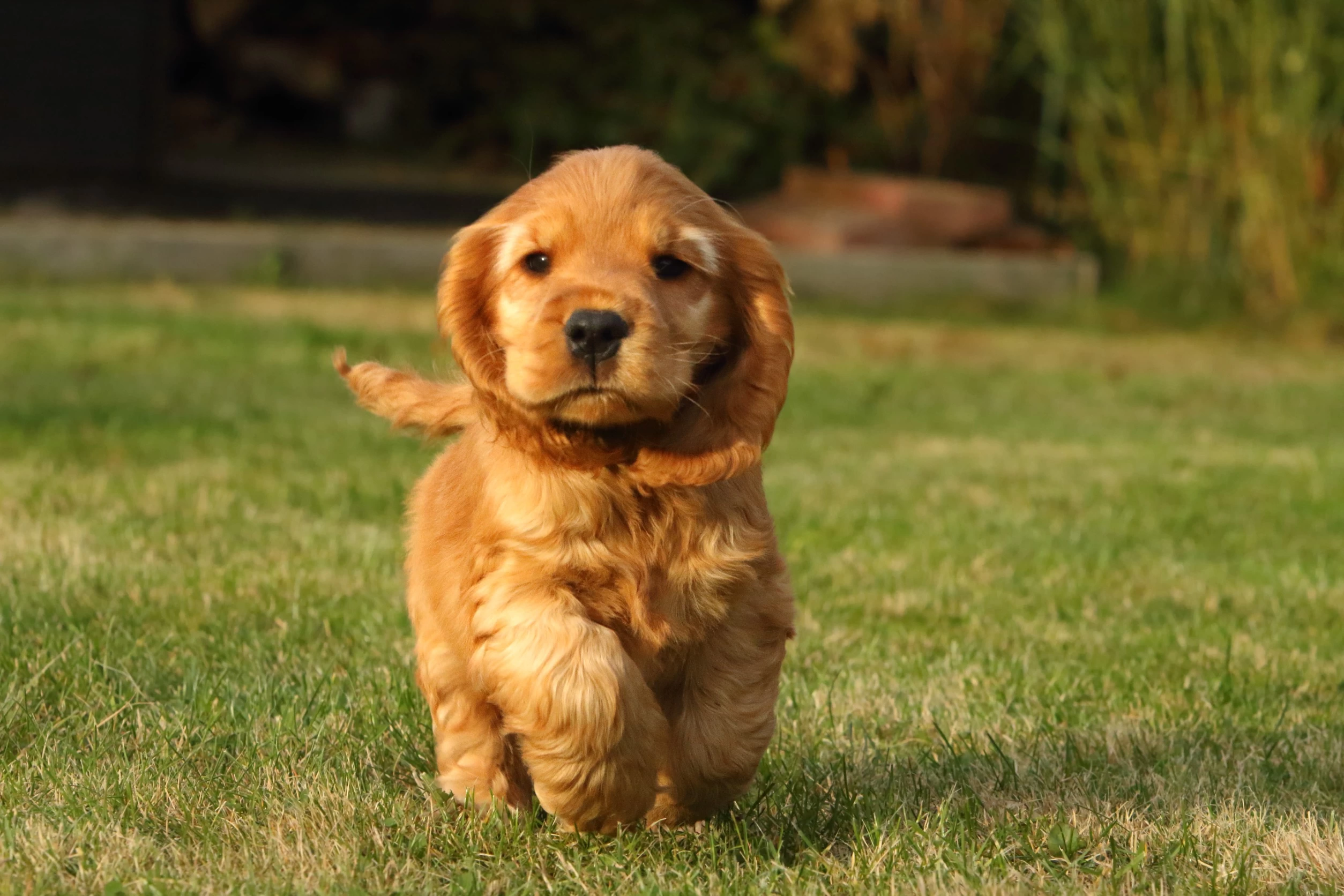
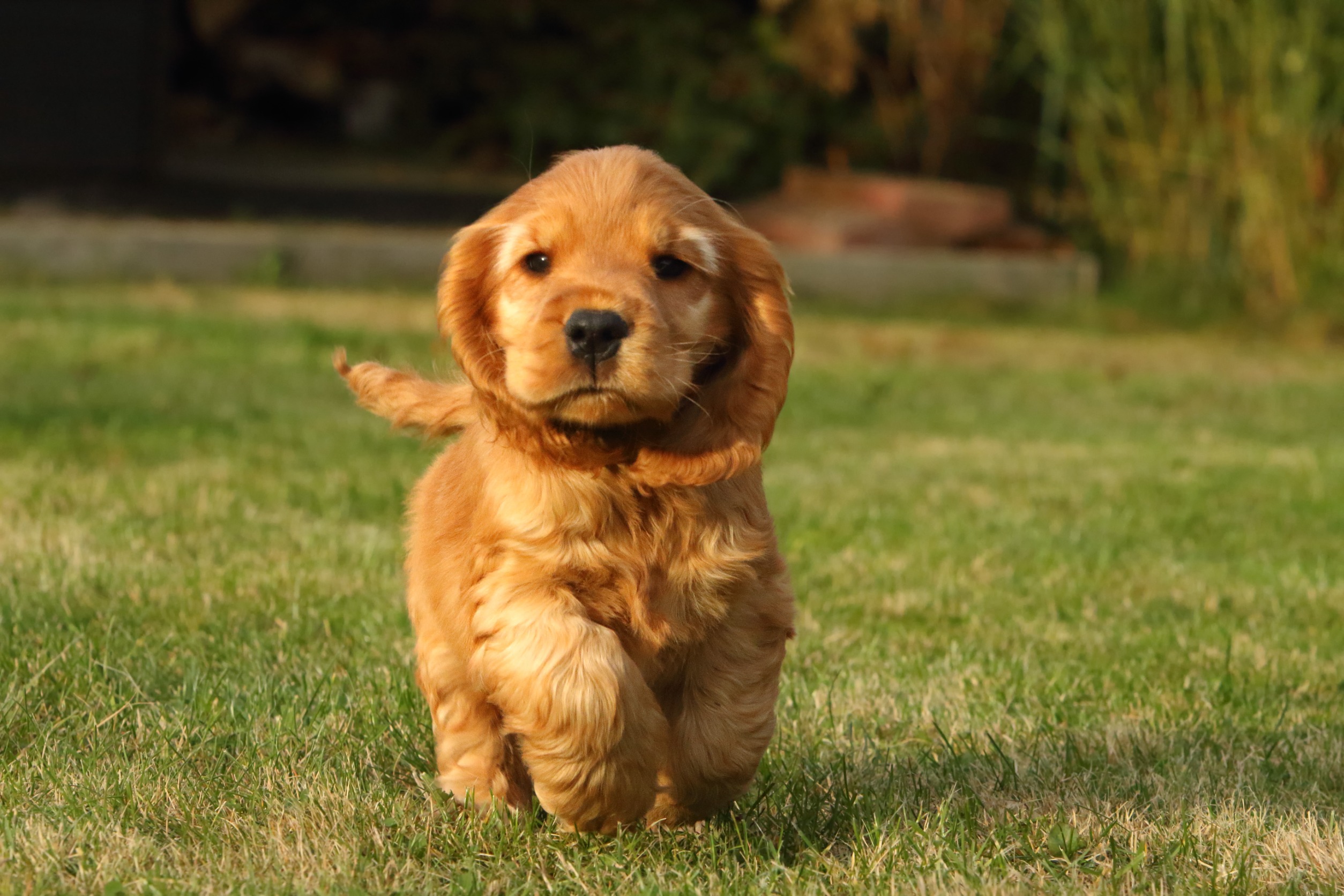
Raising a puppy may be a fun exercise, but it may also be a hard task- particularly when your puppy appears more focused on every leaf, sound, and shadow than paying attention to you. Puppies are rather inquisitive, active, and easily distracted.
But, under the correct instruction, you can also teach your pet dog to concentrate and be responsive even in arousing conditions.
Tips for Training a Distracted Puppy
With time, your distracted dog will become a good companion who listens to you if you do the right things. Here are the steps to develop stronger attention and improve your puppy’s concentration.
Begin with brief, playful training
Puppies are not very attentive, and therefore, a long period of time overwhelms them easily. Initiate with short training sessions of five to eight minutes.
Make every session interesting and good. Apply cheerful colors, excitement, and lots of compliments. Training in a pleasant way will make your puppy more attentive and interested in the following training.
Use high-value rewards
The appropriate rewards can be a BIG difference. Learn the favorite thing of your puppy, whether it is treats, toys, or verbal praise. Valuable rewards (such as tiny pieces of cheese or a chicken) are most effective when training your dog to focus, as they encourage your puppy to pay attention to the task.
Reward your puppy right after they do something right, so they know there is a relationship between paying attention and getting something good.
Teach a focus command or a ‘look at me’ command
This is how the concentration is built. Hold a treat close to your face and ask: “Look” or “Focus.” Reward every time your puppy looks at you.
You should train your puppy a few times a day until it starts looking at you on its own. This is a mere signal that proves very useful in distracting settings.
Eliminate distractors at the start
Begin training in an empty area with no noise, toys, or movements present. When your puppy is consistent, introduce distractions gently, adding background music or having someone else in the room.
Next, move on to more demanding settings, such as the yard, park, or sidewalk. Gradually adding distractions is one way to develop focus in the real world without flooding your puppy.
Apply the reward zone technique
Store snacks near your body on your lap, in your pockets, or in your hand. Give rewards to your puppy only when they are close to you or when they look at you.
This teaches them that it is better to pay attention to YOU than to focus on everything else.
Redirect, don’t punish
If your puppy gets distracted, gently redirect their attention. Call their name, make a low call, or move back to get them to follow.
Only punishment or scolding instills fear and distrust. Positive redirection helps maintain your training confidence and keeps your puppy motivated.
Accustomed to practicing and waiting
Training a puppy is a timely affair. Repetition and consistency of focus skills help them to improve. Good practice should be daily and in small blocks, small achievements should be celebrated, and difficulty should be progressively advanced. Your puppy will be able to follow you even in a noisy place, even over time.
Conclusion

It is not about getting an unfocused puppy to act; it is about helping them by being patient, consistent, and giving positive reinforcement. Finally, visit Innovet Store for the best puppy food and training accessories.